
The Hidden Environmental Cost of Home Printer Cartridges
Most people don’t think about what happens after they toss an empty ink cartridge in the trash. It’s small, it’s plas...
Most people don’t think about what happens after they toss an empty ink cartridge in the trash. It’s small, it’s plastic, and it feels harmless. But zoom out from your recycling bin to the global picture, and the impact looks very different.
Every year, an estimated 375 million ink and toner cartridges are discarded. Most end up in landfills, where they can take hundreds to nearly a thousand years to break down. In that time, the leftover ink and plastic slowly release chemicals into the environment.
And here’s the surprising part:
This waste problem exists largely because of home printers , not industrial print systems.
Most home printers rely on small, single-use cartridges with low yield. Even light household printing can burn through multiple cartridges a year and because many people print infrequently, those cartridges often dry up or clog before they’re fully used. More waste. More plastic. More replacements.
Professional print houses work differently.
Instead of dozens of plastic cartridges, they use:
- high-capacity ink tanks
- bulk refill systems
- far fewer consumables per printed page
These systems can reduce plastic waste by up to 90% compared to home printer cartridge use.
So if you print only occasionally but maintain a home printer “just in case,” the environmental footprint is far bigger than you realize. Thousands of small cartridges replaced a few times a year adds up fast — especially across tens of millions of households.
The good news?
You don’t need to own a printer to send physical mail. And choosing not to own one is one of the simplest ways to cut down on unnecessary plastic waste.
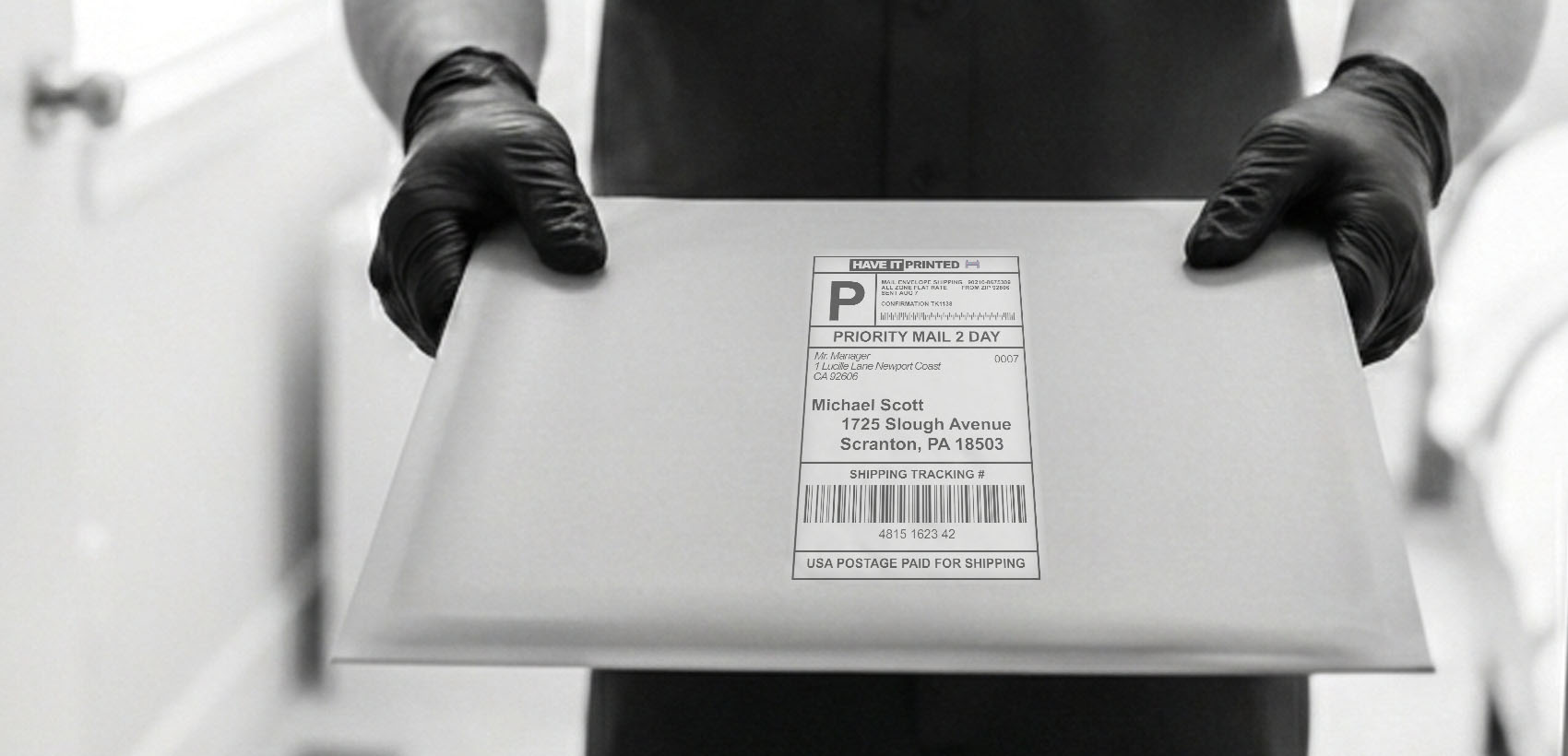
When you upload your document to Have It Printed , it’s produced by a professional print partner using efficient, low-waste systems — not disposable home cartridges.
Fast for you. Better for the planet.